Recognizing the signs of gambling addiction What you need to know
Understanding Gambling Addiction
Gambling addiction, also known as compulsive gambling or gambling disorder, is a condition that can severely impact an individual’s life. It is characterized by an uncontrollable urge to gamble despite the negative consequences it may bring. This addiction can lead to financial difficulties, strained relationships, and a decline in mental health. Recognizing the signs early can help in seeking treatment and support. Many people are surprised to find that engaging with resources, such as bitcoin online casinos, can enhance their understanding of legal regulations that might apply.
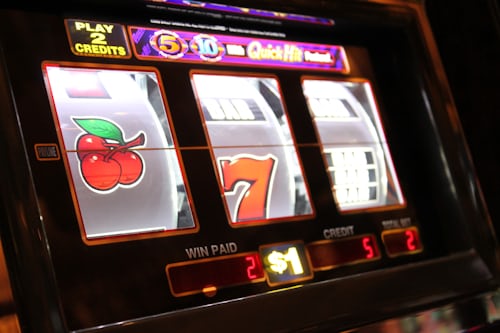
The National Council on Problem Gambling emphasizes the importance of awareness regarding gambling addiction. Individuals who struggle with this disorder often find themselves prioritizing gambling over personal and professional responsibilities. Understanding the complexity of gambling addiction is the first step in addressing it effectively.
Common Signs of Gambling Addiction
Identifying the common signs of gambling addiction is crucial for early intervention. One of the most apparent signs is the preoccupation with gambling, where individuals constantly think about past bets or planning future gambling activities. This fixation can lead to neglect of everyday responsibilities and a withdrawal from social activities that do not involve gambling.
Another significant indicator is lying about gambling habits. Many individuals may attempt to conceal the extent of their gambling from family and friends, which can further isolate them. Financial problems often arise, resulting in borrowed money or the use of savings meant for essential expenses. These behaviors are critical red flags that should not be overlooked.
Emotional and Behavioral Changes
Gambling addiction often manifests through emotional and behavioral changes. Individuals may experience heightened anxiety or depression, especially when they are not gambling or after a loss. The thrill of winning can create an emotional roller coaster, leading to a cycle of chasing losses and further gambling.
In addition to emotional distress, behavioral changes may include increased irritability or restlessness when attempting to cut back on gambling. These feelings can create a vicious cycle, where the individual returns to gambling as a coping mechanism. Understanding these emotional triggers is vital for recognizing and addressing the addiction.
Impact on Relationships and Finances
The impact of gambling addiction extends beyond the individual, affecting relationships with family, friends, and colleagues. As gambling takes precedence, loved ones may feel neglected, leading to conflicts and breakdowns in communication. This strain can cause significant emotional pain for both the individual and those around them.
Financial consequences are equally severe. Many individuals may deplete their savings, accumulate debts, or even resort to illegal activities to fund their gambling habits. This financial instability can create a cycle of stress and anxiety, further exacerbating the addiction. Recognizing these impacts is essential for both individuals and their families.

Getting Help and Resources
Seeking help for gambling addiction is a crucial step toward recovery. Many resources are available, including support groups, counseling services, and hotlines specifically designed for individuals struggling with gambling. Professional help can provide the necessary guidance and support to navigate the challenges of addiction.
Community resources and organizations dedicated to gambling addiction recovery often offer educational programs, workshops, and peer support. Engaging with these services can help individuals understand their addiction and develop healthier coping strategies. The journey to recovery is challenging, but with the right support, it is achievable.
